
The Anatomy of a Panic Attack: What Your Body is Trying to Tell You
A panic attack usually begins without an obvious warning. Within a few moments, you might notice a sudden change in your body—your chest tightens, your heart rate increases significantly, or you feel hot and dizzy. Because these physical sensations are so sudden and intense, they frequently trigger thoughts of immediate danger, such as the fear that you are having a medical emergency or completely losing control.
If you have experienced this, it is understandable why it feels alarming. The physical symptoms are intense.
Panic attacks are often frightening because people begin to fear the panic itself. The physical sensations trigger fear, which creates more physical sensations, which then creates more fear. Understanding what is happening inside the body can help interrupt that cycle.
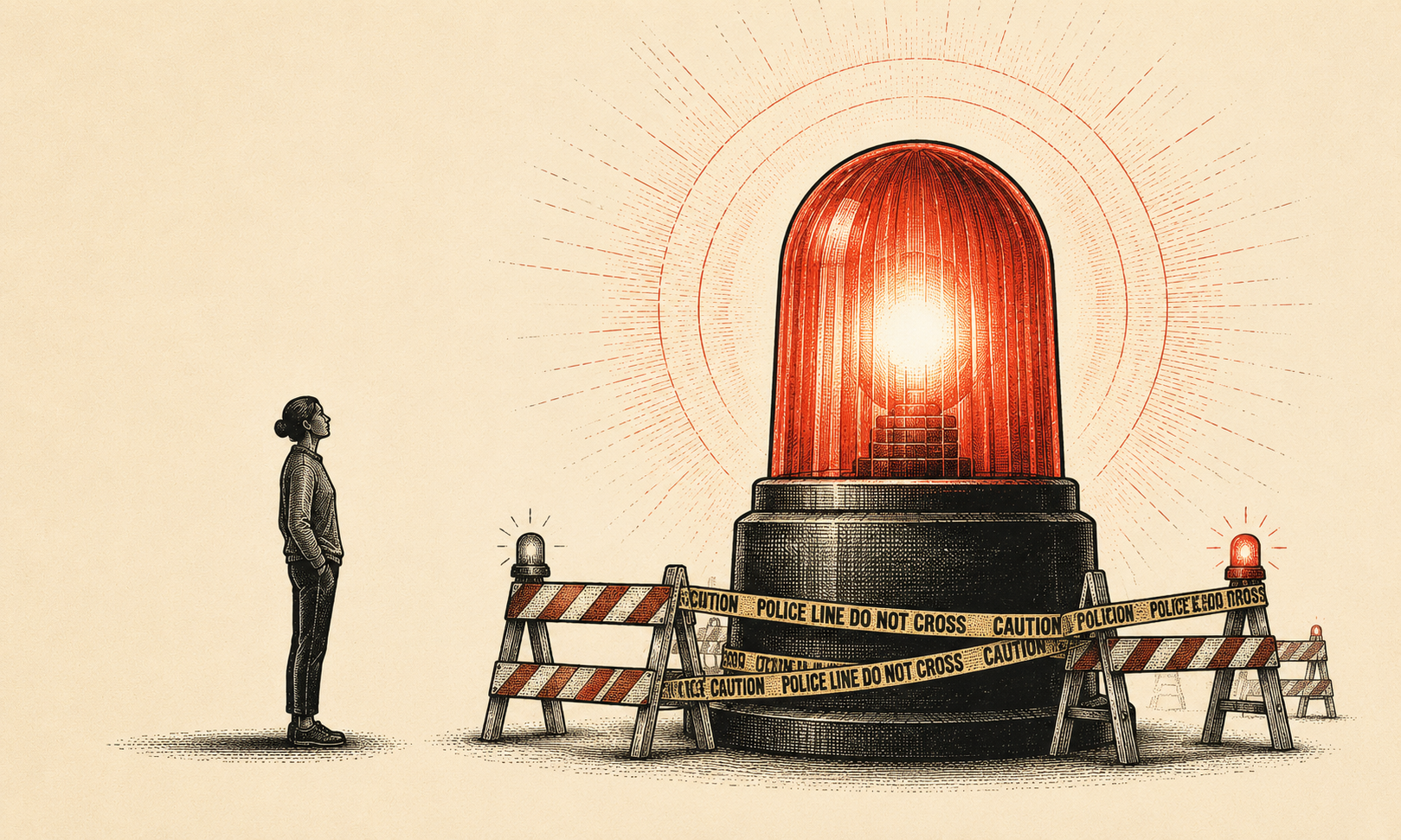
However, the core reality of a panic attack is straightforward: Your body is not malfunctioning. It is responding to a perceived threat.
A panic attack occurs when your body's natural defense mechanism is activated at an inappropriate time. When we understand the physiology behind these sensations, the experience becomes predictable, less mysterious, and easier to tolerate.
What Is Happening Inside the Body
To understand why a panic attack feels so intense, it helps to look at what occurs below your conscious awareness. Our nervous systems are designed to activate a fight-or-flight response when we are in danger. However, accumulated stress, traumatic experiences, or emotional burdens can sometimes trigger the same response even when we are not in immediate danger.
When stress exceeds your ability to cope, the amygdala—the part of the brain responsible for detecting threats and danger—can activate your body's fight-or-flight response.
1. Increased Heart Rate
The moment the alarm system is triggered, your body releases stress hormones, including adrenaline, into your bloodstream. This happens almost instantly. The purpose is to prepare your muscles for physical action. Your heart rate increases because your body is trying to move oxygenated blood to your major muscle groups. Your heart is working exactly as it is designed to during a stress response.
2. Shifting Blood Flow
During this response, your nervous system prioritizes your immediate survival. It redirects blood flow away from systems that are not necessary for short-term defense—such as digestion—and sends it to your arms and legs.
Because blood flow decreases in your digestive tract, you may experience sudden nausea or a sinking feeling in your stomach.
Because blood flow decreases in your extremities, you may notice tingling or coldness in your fingers and toes.
Your body is simply consolidating its resources.
3. Changes in Breathing
When panic occurs, your breathing naturally shifts from deep diaphragmatic breaths to rapid, shallow breaths in your upper chest. Your body is attempting to take in more oxygen.
However, because you are not actually exerting yourself physically, this rapid breathing alters the balance of carbon dioxide in your blood. This imbalance is what causes chest tightness, a feeling of throat restriction, or lightheadedness. Even though your brain may interpret this as an inability to breathe, your body is actually receiving an abundance of air.
Why the Surge Stops
When you are experiencing a panic attack, it can feel as though the intensity will increase indefinitely. From a biochemical standpoint, however, that cannot happen.
An acute stress response requires an immense amount of physical energy. Your body cannot sustain a peak adrenaline response for long periods.
Within a short window of time, the parasympathetic branch of your nervous system—the part responsible for resting and calming the body—automatically activates. It begins to clear the stress hormones, lower your heart rate, and return blood flow to normal. Even if you do not use any specific coping strategies, the physical surge will peak and eventually subside on its own.
Moving Beyond Symptom Management
If you search for panic attack resources online, you will find a large amount of information focused on immediate management—such as specific breathing exercises or physical grounding techniques. Those tools are common, easily accessible, and can be helpful for navigating a high-intensity moment.
At Even Counseling, however, the goal is not just to give you a checklist of exercises to tolerate the symptoms.
A panic attack is often the body's way of signaling that something deeper requires attention. It is frequently a physical expression of underlying issues that have been suppressed—whether that is chronic stress, unmet emotional needs, or unresolved insecurities.
When a surge happens, the most effective response is to allow the physical sensations to exist without fighting them. You can remind yourself: “My body feels unsafe right now, but I am in a safe space, and this physical sensation will slow down shortly.”
Learning to manage the immediate physical response is an important baseline. But the deeper, lasting work happens when we can look at what triggered the internal alarm in the first place, and safely process those underlying elements in a quiet, stable environment.
